Active recall: how to actually do it (with and without AI)

Active recall is a study technique where you test yourself by pulling information out of memory instead of rereading your notes. It is one of the best-supported ways to revise: in experiments, it beat rereading for long-term retention.
Rereading feels productive because the page looks familiar. But the exam asks you to produce the answer from nothing, and familiar is not the same as known. Active recall closes that gap, costs nothing, and works for any subject.
Does active recall work?
Yes. In a well-known experiment, students either reread short texts or took recall tests on them.1 Five minutes later, rereading looked better. A week later, the picture had flipped:
After a week, students who had practised recall remembered substantially more than those who reread, even though the rereaders felt more confident.
That last detail is the trap: familiarity feels like knowledge, so rereading tells you that you are ready when you are not.
A large review of ten study techniques reached the same conclusion. It rated practice testing among the two most useful, and rereading and highlighting as low utility.2
Active recall, retrieval practice and the testing effect
These three terms describe one idea from different angles. Active recall is what students call it: pulling information out of memory. Retrieval practice is the researchers' name for doing it on purpose as a way to study. The testing effect is the result: material you have been tested on stays with you longer than material you only reread.1
How to do active recall: 5 methods
1. Blank-page recall (“blurting”). Write the topic at the top of a blank sheet and write down everything you remember. Then open your notes and add what you missed in another colour. That colour is your revision list, and a topic you can barely fill a few lines on is the one to revise first.
2. Questions instead of headings. Turn each heading into a question (“What causes inflation?”) and answer it before you look. Your notes become a test you can take again and again.
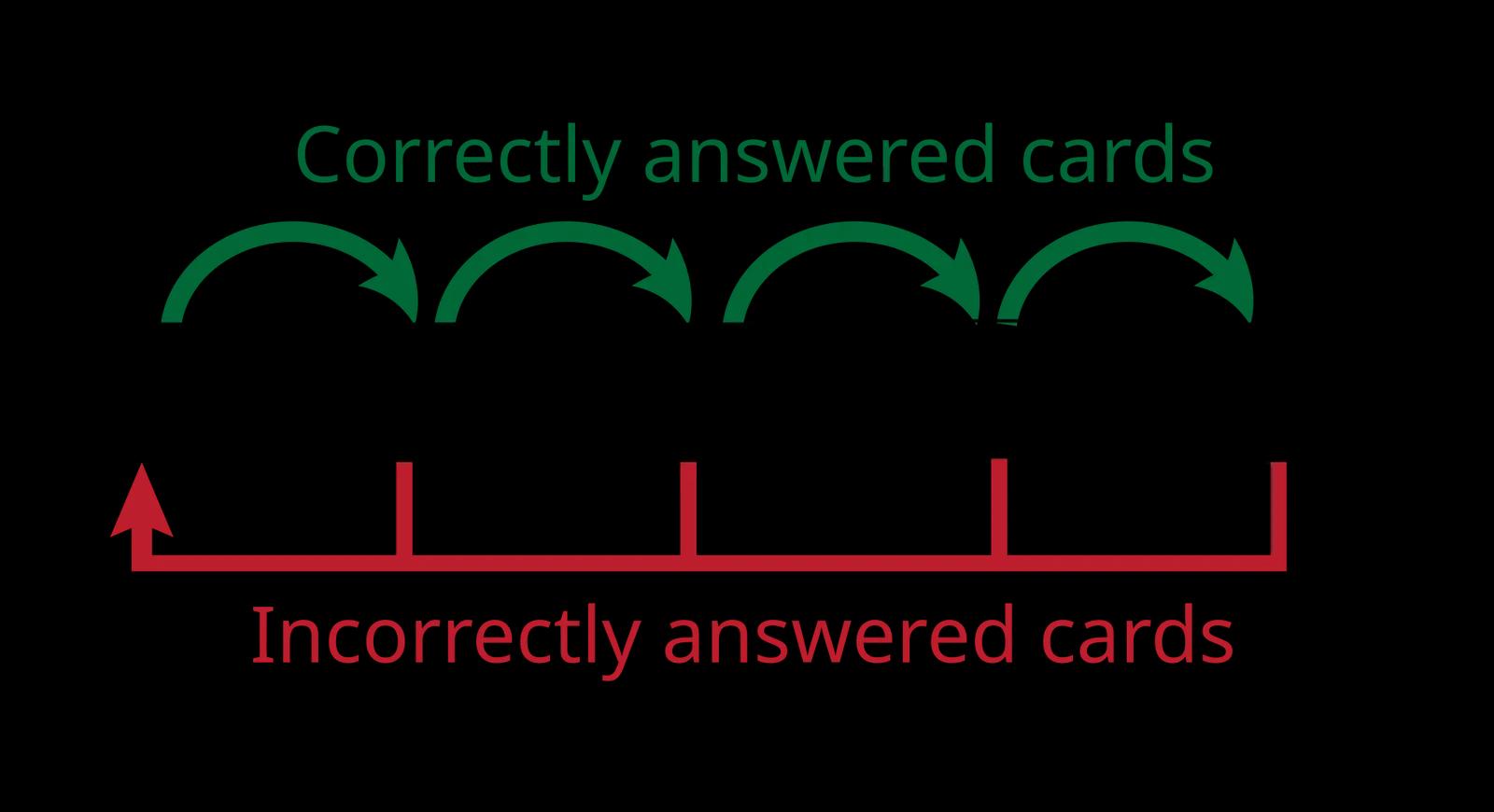
3. Flashcards, answered first. Say or write the answer before you flip the card, and spend most of your time on the ones you got wrong. Flipping too early turns flashcards back into rereading.
4. Past papers. For GCSEs and A levels, past questions are active recall in the exact exam format. Do them without notes, then mark them against the mark scheme.
5. Teach it back. Explain the topic aloud without notes, to a friend or an empty room. Where you hesitate is where your understanding is thin.
| Method | Best for | How to start |
|---|---|---|
| Blank-page recall | Checking a whole topic at once | A blank sheet and five minutes |
| Questions instead of headings | Turning your notes into a revision tool | Rewrite each heading as a question |
| Flashcards | Facts, terms, dates and formulas | One fact per card, answered aloud |
| Past papers | Exam technique and timing | One question under exam conditions |
| Teach it back | Checking that you really understand | Explain it aloud without notes |
Active recall vs spaced repetition
They work together. Active recall is how you revise: you retrieve instead of rereading. Spaced repetition is when you revise: you come back to a topic over growing gaps, just as you start to forget it.
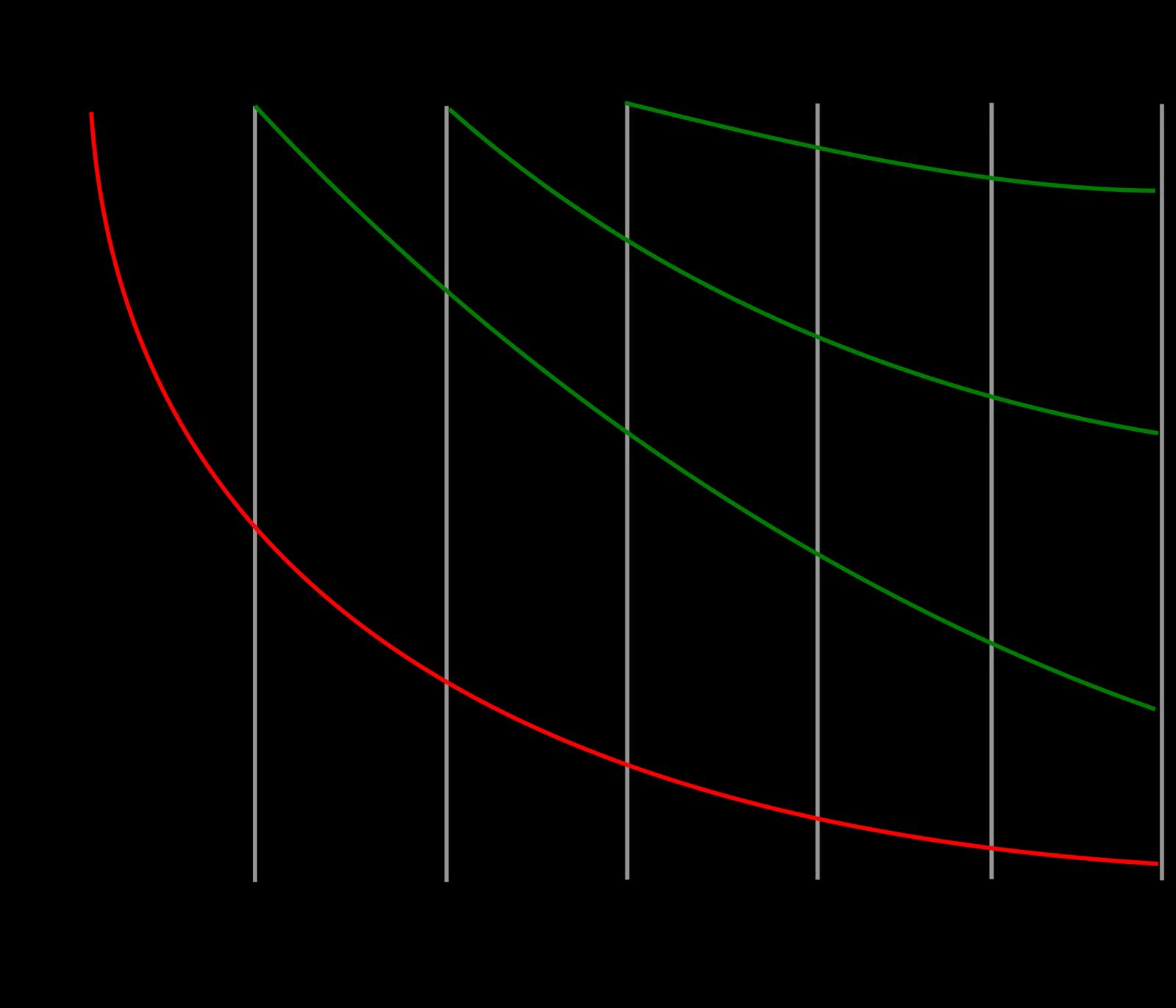
The same review rated these two as the most useful of the ten techniques it examined.2 Flashcards are the easiest way to combine them: each card makes you recall, and you return to the hard ones more often.
How to use AI for active recall
AI is good at asking questions. It is also good at giving answers, and that is the trap. In a field experiment with nearly a thousand secondary school maths students, access to a standard AI chatbot improved scores during practice by 48%. Once access was removed, those students scored 17% lower than students who never had it.3
So use AI to ask, not to answer. A prompt that keeps the effort on your side:
Ask me five questions about photosynthesis for GCSE Biology, one at a time. Wait for my answer before giving feedback, tell me what I missed, then ask a follow-up question on that point.
Answer each question before you read the feedback, and check key facts against your textbook or class notes.
Test yourself
Answer from memory, then tap a question to check.
1. What is the difference between active recall and rereading?
Active recall makes you pull the answer out of memory before you look. Rereading only shows you the page again, which feels familiar without proving you can produce it.
2. In the 2006 experiment, which group remembered more after a week?
The students who took recall tests. Rereading looked better after five minutes, but a week later the recall group remembered substantially more.
3. What do researchers call active recall, and what is its effect called?
Retrieval practice. Its benefit, remembering tested material for longer, is the testing effect.
4. What do you do with what you missed in blank-page recall?
Add it from your notes in a different colour. Those additions are your revision list.
5. How is active recall different from spaced repetition?
Active recall is how you revise: retrieving instead of rereading. Spaced repetition is when you revise: coming back over growing gaps. They work best together.
6. When you revise with AI, what should you ask it to do?
Ask it to question you, not to give you the answers, and answer before you read its feedback.
Sources
- Roediger, H. L. and Karpicke, J. D. (2006). Test-Enhanced Learning: Taking Memory Tests Improves Long-Term Retention. Psychological Science, 17(3), 249–255.
- Dunlosky, J., Rawson, K. A., Marsh, E. J., Nathan, M. J. and Willingham, D. T. (2013). Improving Students’ Learning With Effective Learning Techniques: Promising Directions From Cognitive and Educational Psychology. Psychological Science in the Public Interest, 14(1), 4–58.
- Bastani, H., Bastani, O., Sungu, A., Ge, H., Kabakçı, Ö. and Mariman, R. (2025). Generative AI without guardrails can harm learning: Evidence from high school mathematics. PNAS, 122(26).